
Dry Eye Evaluation & Management
Find out what is actually causing your dry eye
Dry eye is not one condition. It is a category that includes evaporative disease from meibomian gland dysfunction, aqueous deficiency from reduced tear production, inflammatory disease, Demodex infestation, incomplete blink patterns, and combinations of all of these. Treatments that work well for one type do very little for another.
That is why a dedicated evaluation matters. We photograph the meibomian glands directly with our Firefly slit lamp and meibography system, assess tear film stability and volume, examine the lid margins under magnification, and review your medications, screen habits, and environment.
The result is a diagnosis rather than a guess, and a plan built for the mechanism actually driving your symptoms.
A plan that adapts as you improve
Depending on findings, your plan may combine in office procedures such as OptiLight IPL, low level light therapy, or gland expression with at home measures including targeted lid hygiene, omega supplementation, prescription anti inflammatory therapy, and the right artificial tear for your tear film chemistry.
Follow up visits repeat the imaging so we can compare gland structure and tear film stability against your baseline. If a component is not delivering, we change it rather than continuing indefinitely.
Chronic dry eye is a manageable condition when it is measured. Patients who follow a structured plan generally find their good days outnumber their difficult ones by a wide margin.
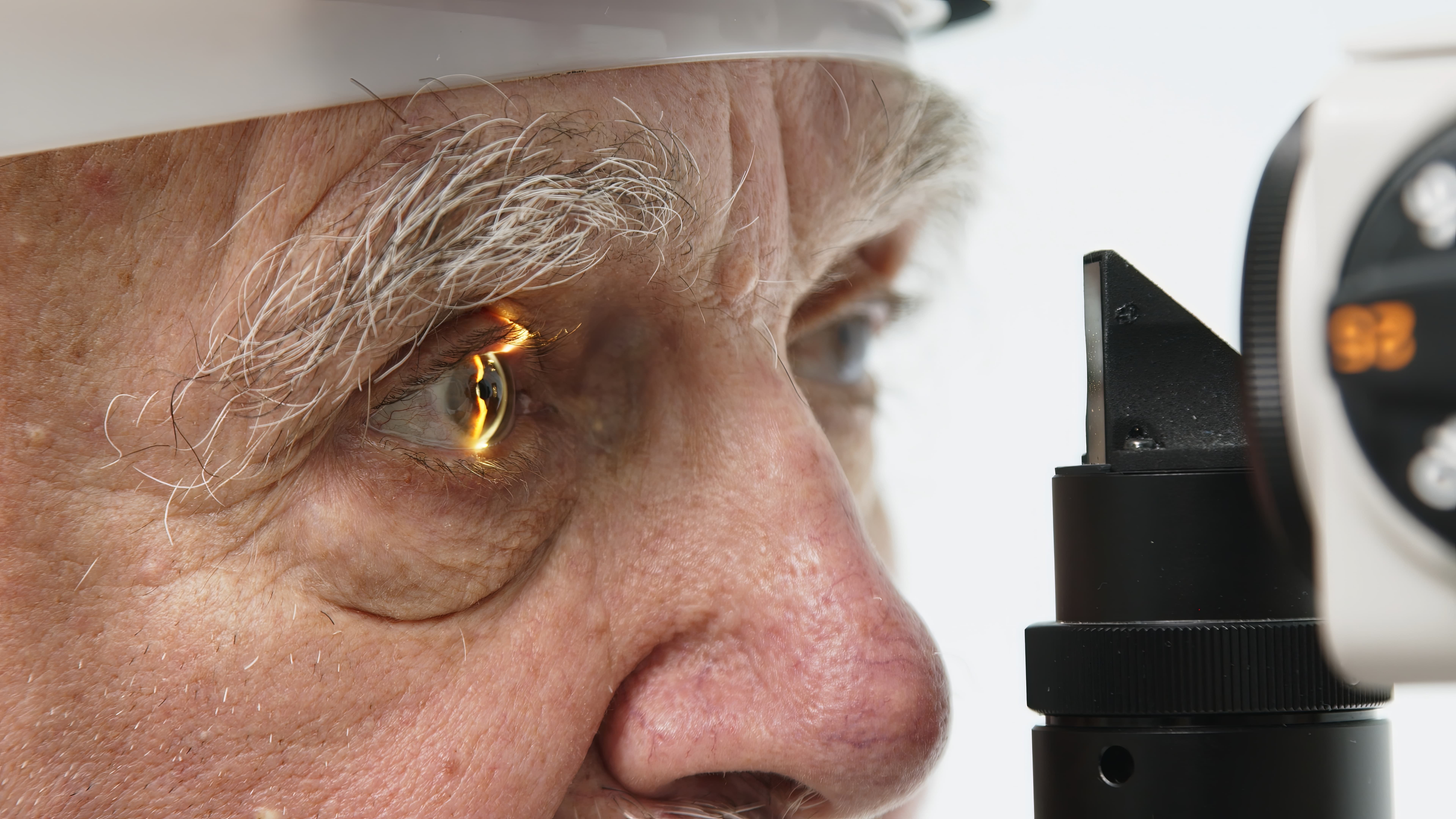
A structured evaluation identifies the specific mechanism behind your symptoms so treatment targets the cause instead of the sensation.