LASIK Consultations
An independent assessment of whether LASIK is right for you
LASIK is an excellent procedure for the right eye and a poor choice for the wrong one. Corneal thickness, corneal shape, pupil size, prescription stability, and tear film health all factor into whether a good outcome is likely. So do conditions such as keratoconus that may not be obvious without topography.
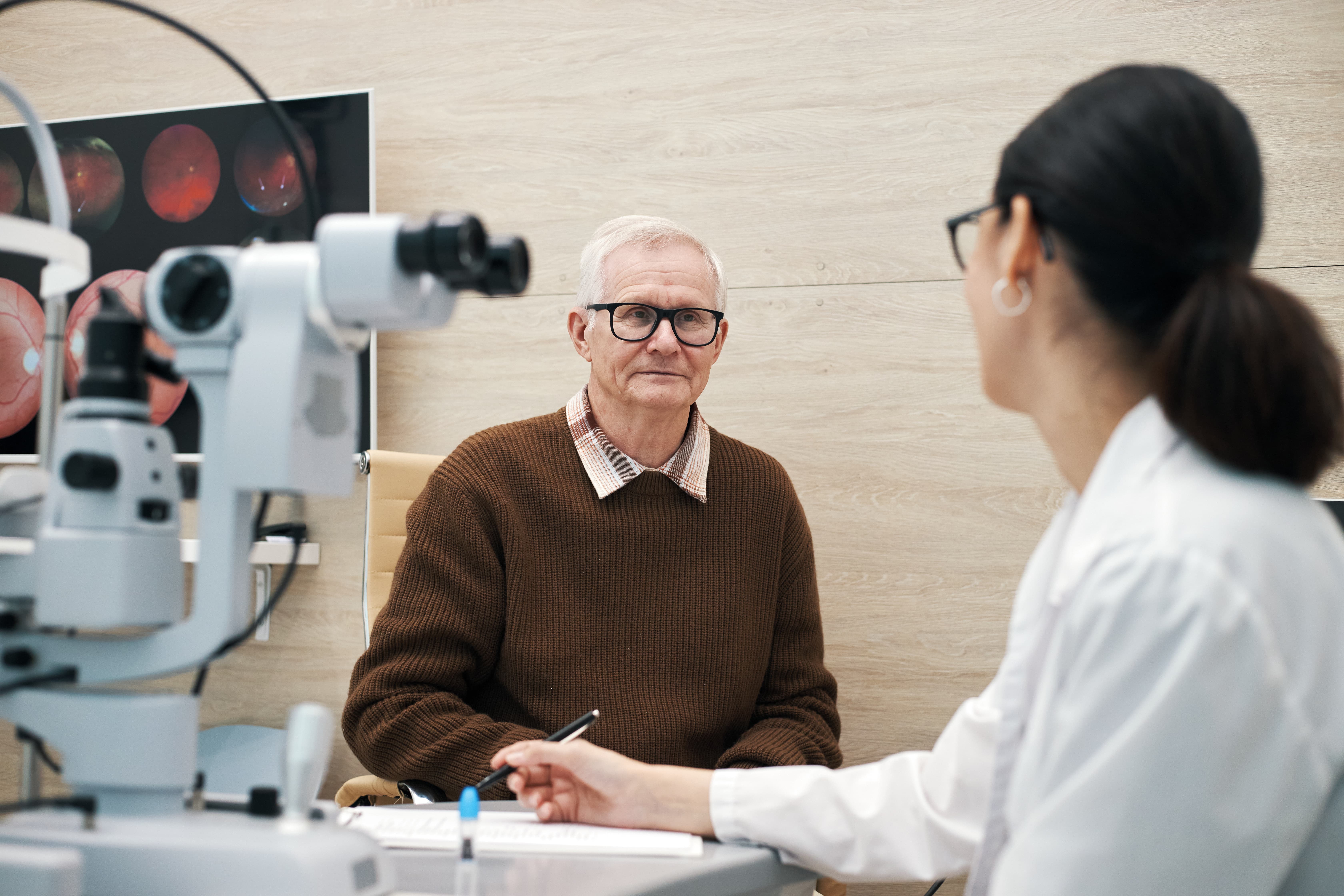
Our consultation works through each of those variables using the diagnostic equipment already in our clinic, including corneal topography and OCT imaging. If the findings support proceeding, we help you select a surgeon and coordinate the referral. If they do not, we say so, and we discuss the alternatives that would serve you better.
Untreated dry eye is one of the most common reasons for disappointing LASIK outcomes, and it is far better resolved before surgery than after.
What we look at, and what we tell you
The consultation covers corneal thickness and topographic regularity, refractive stability across recent years, tear film quality and meibomian gland health, pupil size relative to the expected treatment zone, and any retinal findings that warrant attention before surgery.
We also talk frankly about what LASIK does and does not do. It corrects the prescription you have now. It does not prevent presbyopia, so reading glasses in your forties remain likely, and it does not remove the need for ongoing eye health examinations.
Patients frequently leave a consultation choosing a different path entirely, whether that is specialty contact lenses, a different refractive procedure, or simply waiting until the prescription stabilizes. All of those are legitimate outcomes.
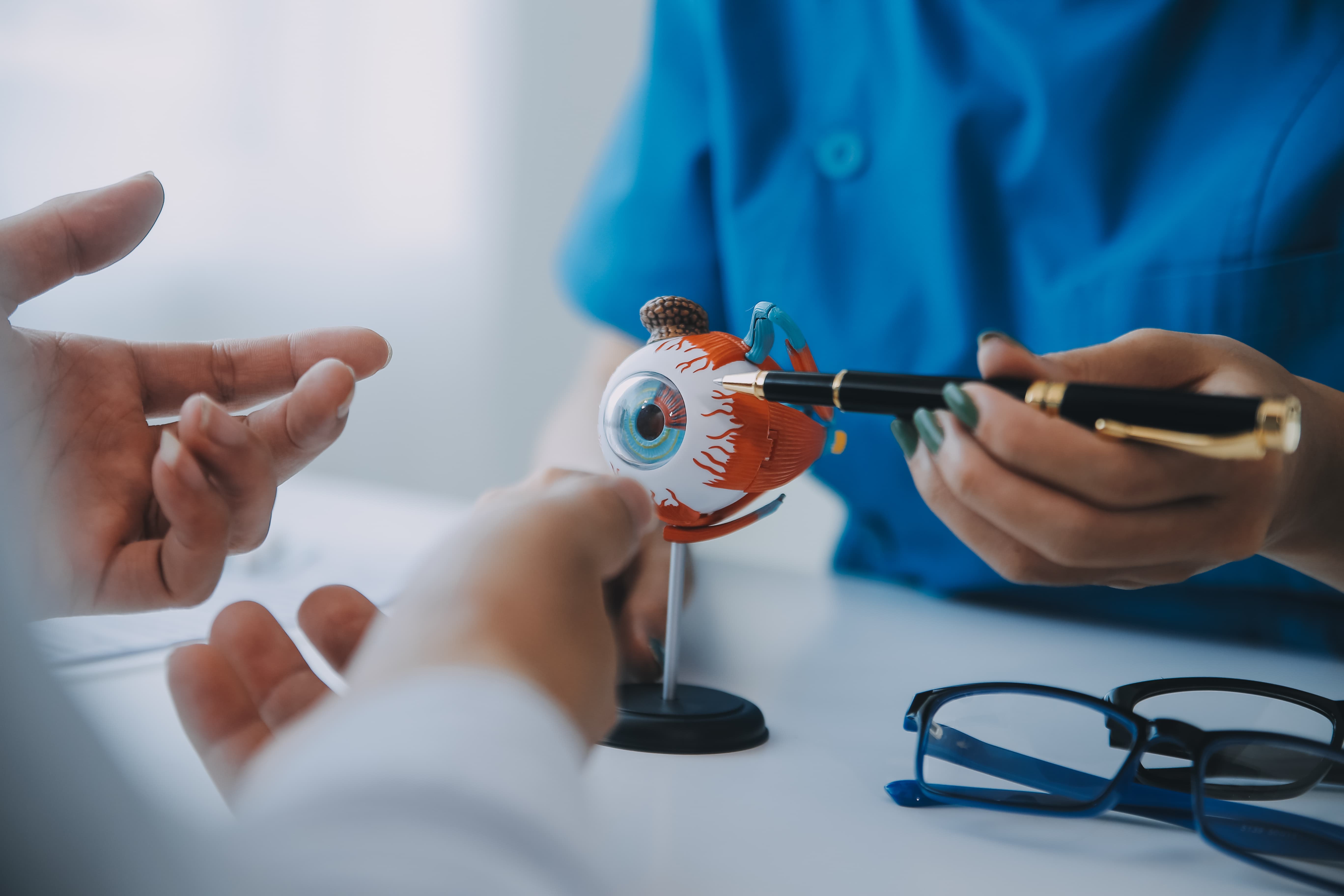
An independent candidacy assessment using in office topography and imaging, with a recommendation based on your eyes rather than a surgical calendar.